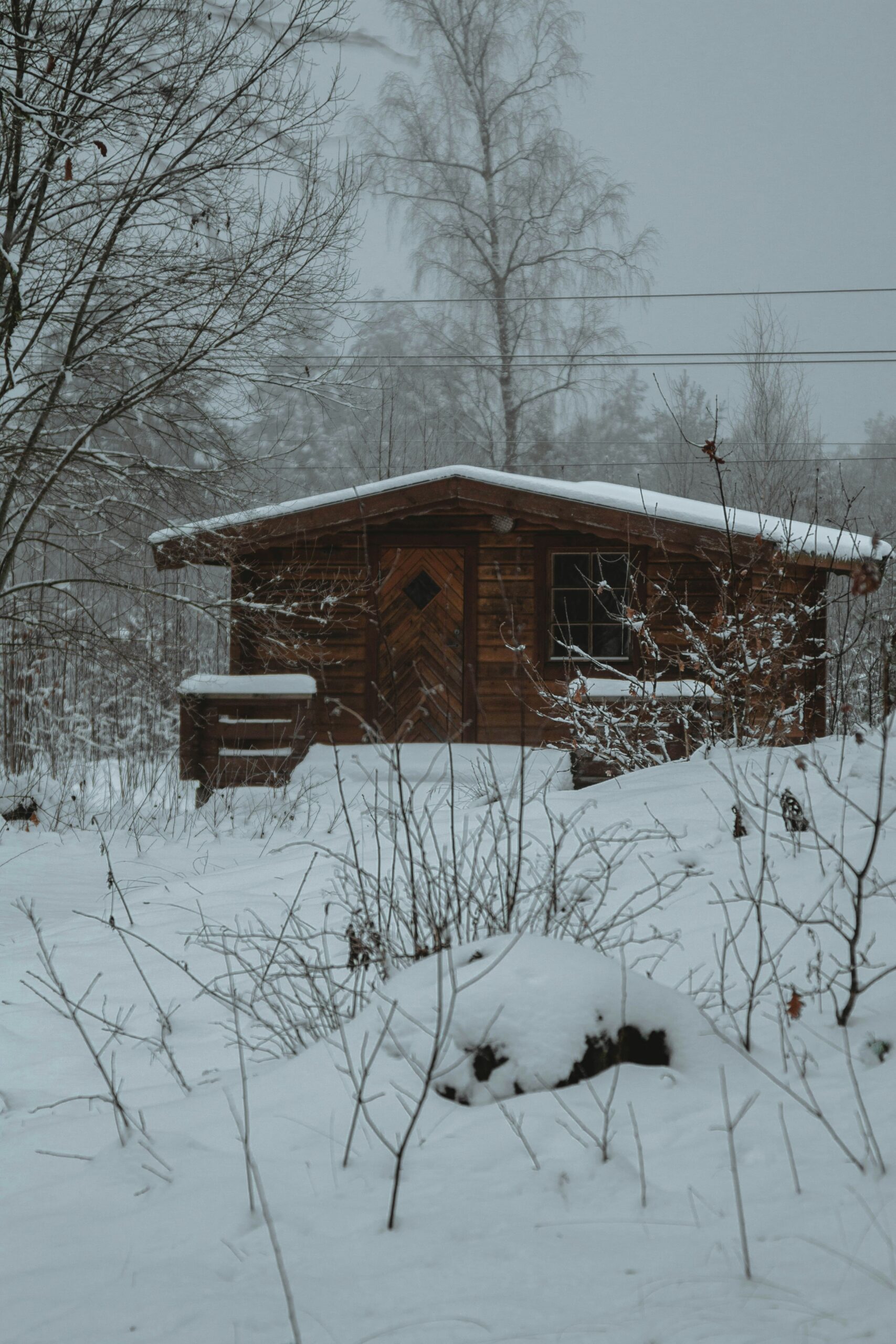
Big Bear Lake is often seen as a vacation destination—cabins in the snow, summer weekends on the lake, and short-term escapes from city life. But living in Big Bear full-time is a very different experience than visiting for a few days.
For those considering a permanent move, the real question isn’t whether Big Bear is beautiful. It’s whether the lifestyle, climate, infrastructure, and daily realities make sense long-term.
This guide offers a realistic look at what living in Big Bear Lake year-round is actually like, beyond the tourist version.
Big Bear Is a Mountain Town First
Big Bear Lake functions as a small mountain town before it functions as a resort destination.
While tourism drives the economy, full-time residents experience a slower, more self-reliant pace of life. Errands require planning, weather affects daily routines, and flexibility becomes part of living comfortably here.
Those who thrive tend to value quiet, space, and independence more than convenience.
Weather Plays a Major Role in Daily Life
Big Bear Lake sits at roughly 6,700 feet in elevation, and weather is a defining factor year-round.
Winter
Snow is not an occasional novelty—it’s expected. Winters bring:
- Snowstorms
- Icy roads
- Temporary travel limitations
- Power outages during severe weather
For residents, winter living is about preparation rather than fear. Snow removal, proper tires, and understanding how storms affect access are part of normal life.
Summer
Summers are mild compared to surrounding Southern California cities. Warm days and cool nights are common, and air conditioning is often unnecessary.
Seasonal weather shifts influence everything from work schedules to grocery runs.
The Cost of Living Can Surprise Newcomers
While housing can sometimes appear more affordable than nearby cities, the overall cost of living in Big Bear Lake varies widely.
Full-time residents often account for:
- Higher winter utility costs
- Snow removal services
- Vehicle maintenance
- Fewer budget shopping options
Living comfortably usually requires financial planning and realistic expectations, especially for those relocating from urban areas.
Work and Income Matter More Than Location
Big Bear Lake works best for people who:
- Work remotely
- Have flexible schedules
- Are retired
- Own local businesses
Job opportunities exist, but they are limited and often tied to tourism, hospitality, or seasonal demand. Many residents maintain remote employment or bring income with them when they move.
Reliable internet is available in most areas, but service quality can vary by neighborhood.
Community Is Small but Strong
One of Big Bear’s strengths is its sense of community.
Full-time residents often:
- Know their neighbors
- Share local knowledge
- Look out for one another during storms or emergencies
It may take time to feel established, but those who stay tend to form meaningful connections rooted in shared experience rather than convenience.
Access and Distance Are Tradeoffs
Living in Big Bear Lake means accepting distance from major cities.
Trips down the mountain for appointments, shopping, or events are common, but weather and road conditions can delay plans. Residents learn to batch errands, keep essentials stocked, and avoid unnecessary travel during storms.
This tradeoff is manageable for those who value lifestyle over proximity.
Big Bear Isn’t for Everyone—and That’s Okay
Big Bear Lake is not ideal for people who:
- Need daily urban conveniences
- Dislike winter weather
- Prefer spontaneous travel
- Rely on short commutes
It is a good fit for those who appreciate nature, independence, and a slower pace, even when that pace requires patience.
So, Is Big Bear Lake a Good Place to Live Year-Round?
For the right person, yes.
Living in Big Bear full-time offers:
- Natural beauty
- Seasonal variety
- A grounded, quieter lifestyle
- A strong sense of place
But it also requires preparation, adaptability, and an honest understanding of mountain living.
Those who move here with realistic expectations tend to stay—and often wonder why they didn’t do it sooner.
More guides coming soon, including the pros and cons of living in Big Bear Lake, winter realities, and what full-time residents wish they’d known before moving.
Read more about living in Big Bear
Want to learn more about mountain life? These posts share honest, practical insight for people considering or living in Big Bear Lake full-time.
-
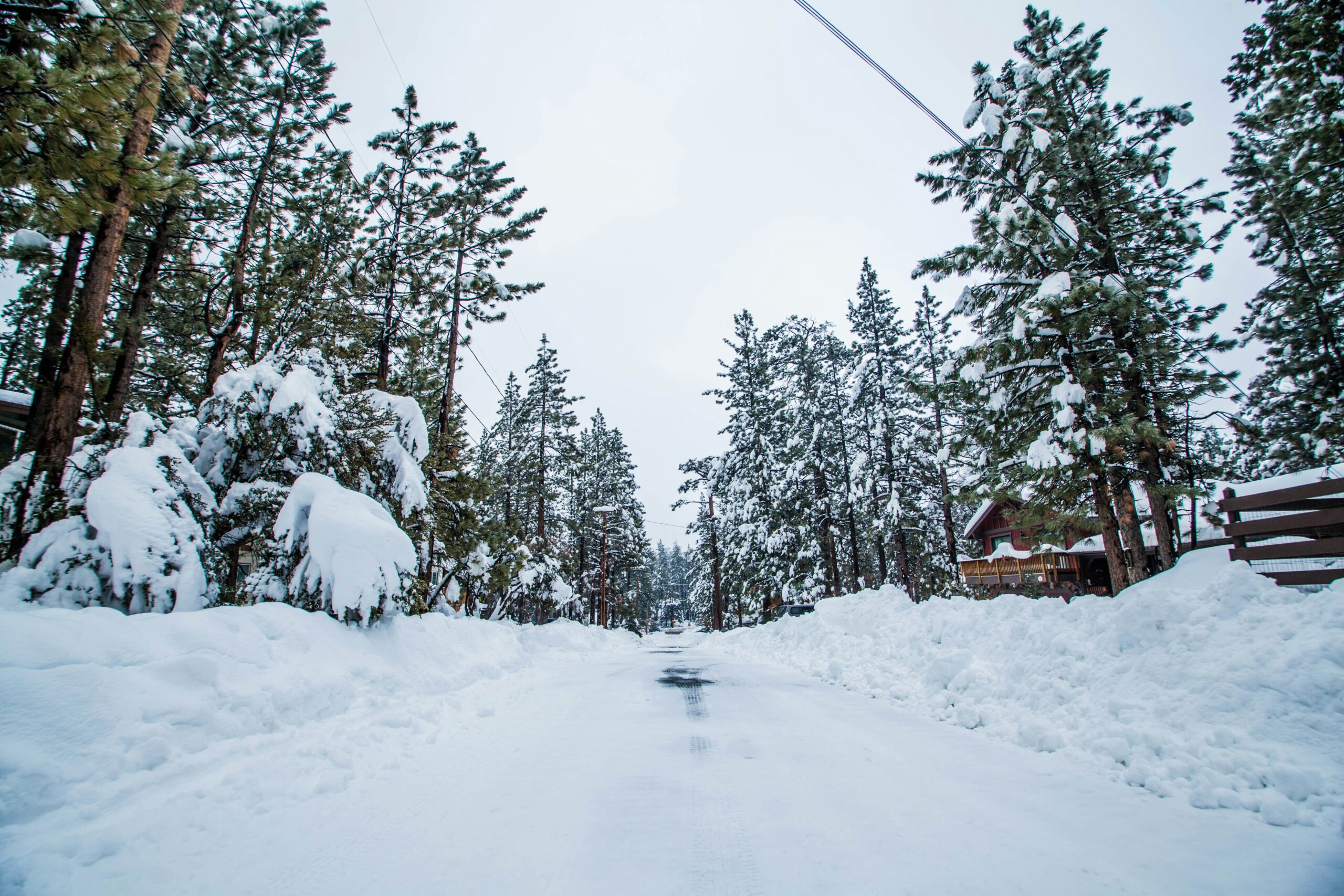
Driving in Big Bear During Winter: What to Expect
Driving in Big Bear during winter is one of the biggest concerns for people…
-
Emergency Preparedness in Big Bear: What Residents Plan For
Emergency preparedness in Big Bear Lake looks different than it does in the city.…
Leave a Reply